
About Coffeekris
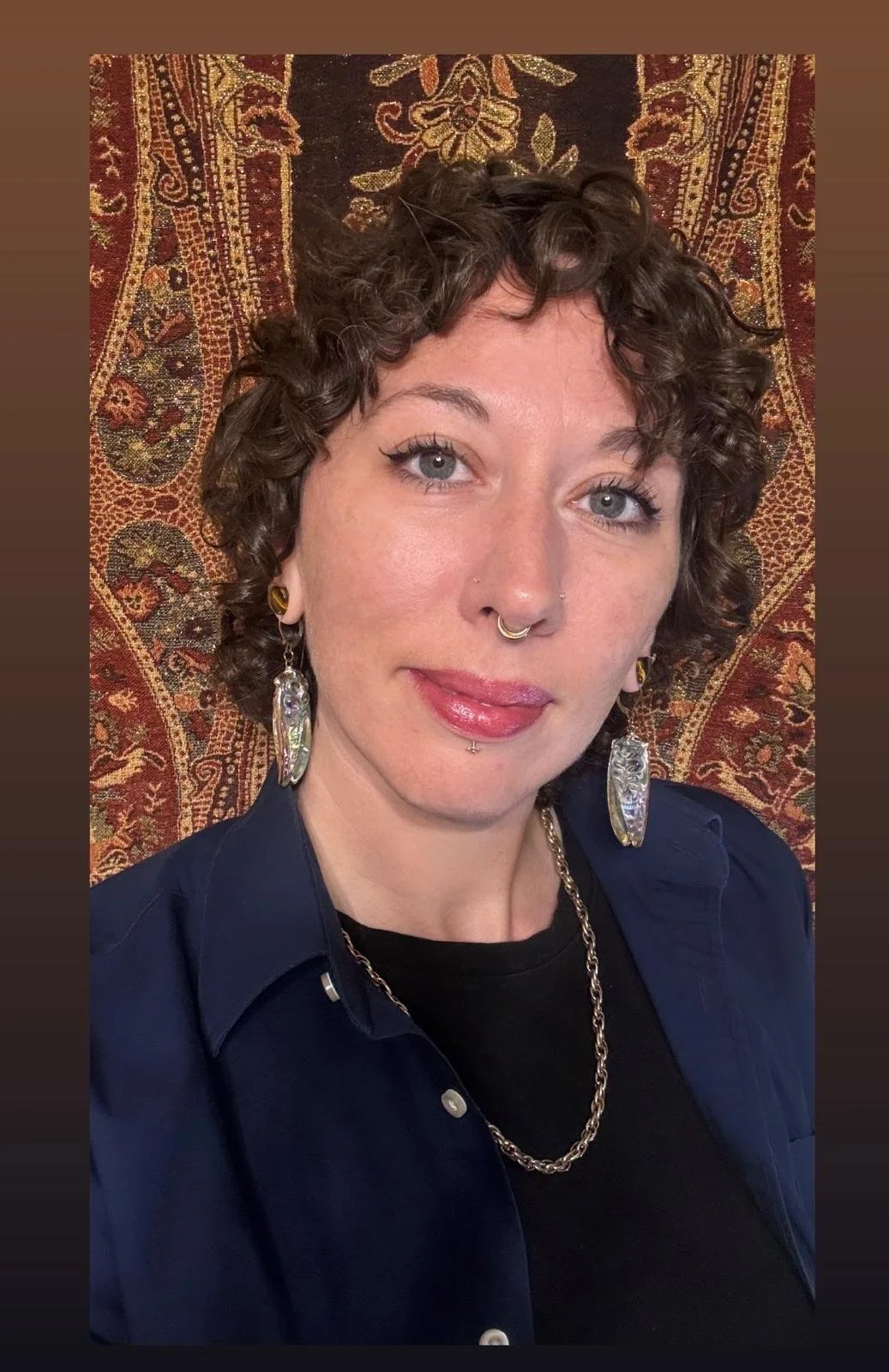
My name is Kris Carlson and I’m a coffee professional with over a decade of experience in cafe managing, roasting, wholesale, green sales, and sourcing.
Sourcing Curation is connecting people and creating experiences related to green coffee, with an intentional focus on single origin, social impact coffees from women and POC.
These relationships are founded in deep mutual respect, trust, and integrity, providing reliable and quality coffees.
I’m delighted to connect you to specific coffees you’re looking for through my trusted global network.
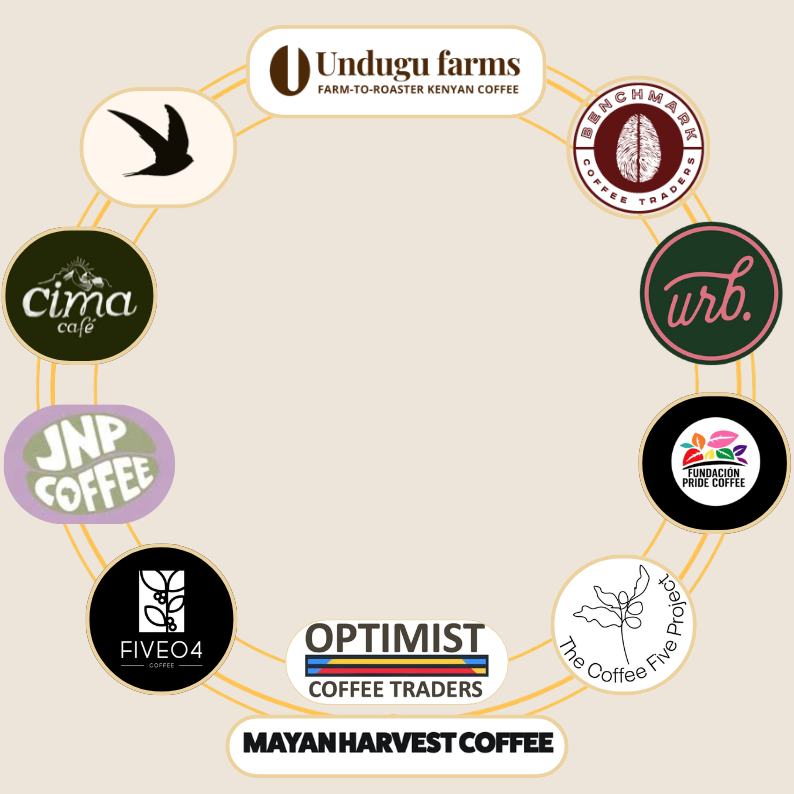
Origin Offerings
I am an authorized representative of all partners.
Don’t see what you’re looking for? Let’s connect!
Burundi
Colombia
DR Congo
Ethiopia
Guatemala
Honduras
Kenya
Mexico
Nicaragua
Peru
Papua New Guinea
Rwanda
Connect
Your curated sourcing experience awaits!
Interested in green samples?
Searching for a particular coffee?
Prefer a video call? Schedule a meeting HERE.
Looking forward to connecting with you!
Burundi
JNP Coffee
Founder, Jeanine Niyonzima-Aroian, passionately pursues her dream of helping the coffee farmers of her birthplace.
Every purchase from JNP Coffee supports more inclusive economic development initiatives for Burundi farmers.
Colombia
Urbania
Pride Coffee
The Coffee Five Project
Urbania focuses on social impact to contribute to the well-being of vulnerable communities through specialty coffee projects that build value together.
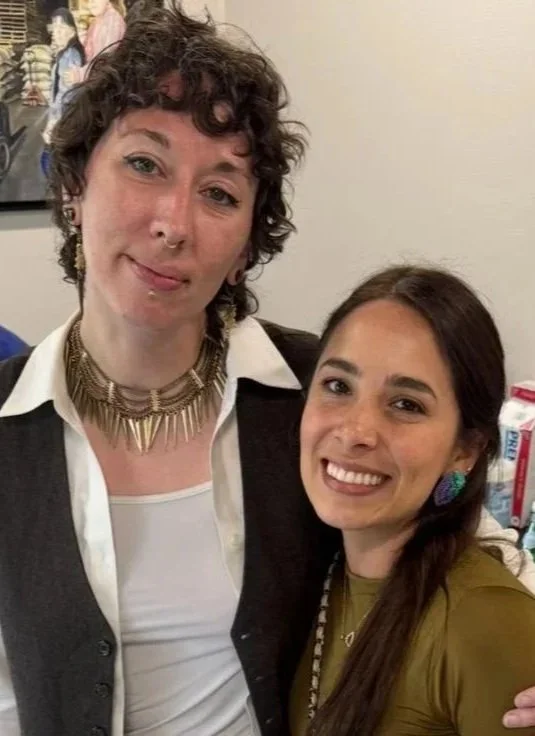
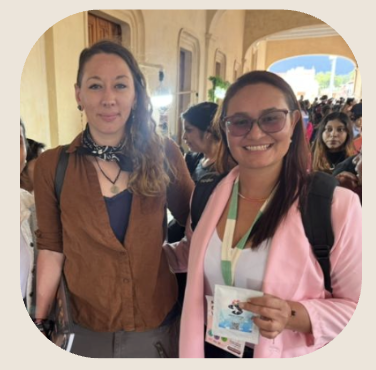
Fundacion Pride Coffee is founded by Neyi Paola Conde Vazquez.
Her program represents and advocates LGBTQ+ communities in rural Colombia.
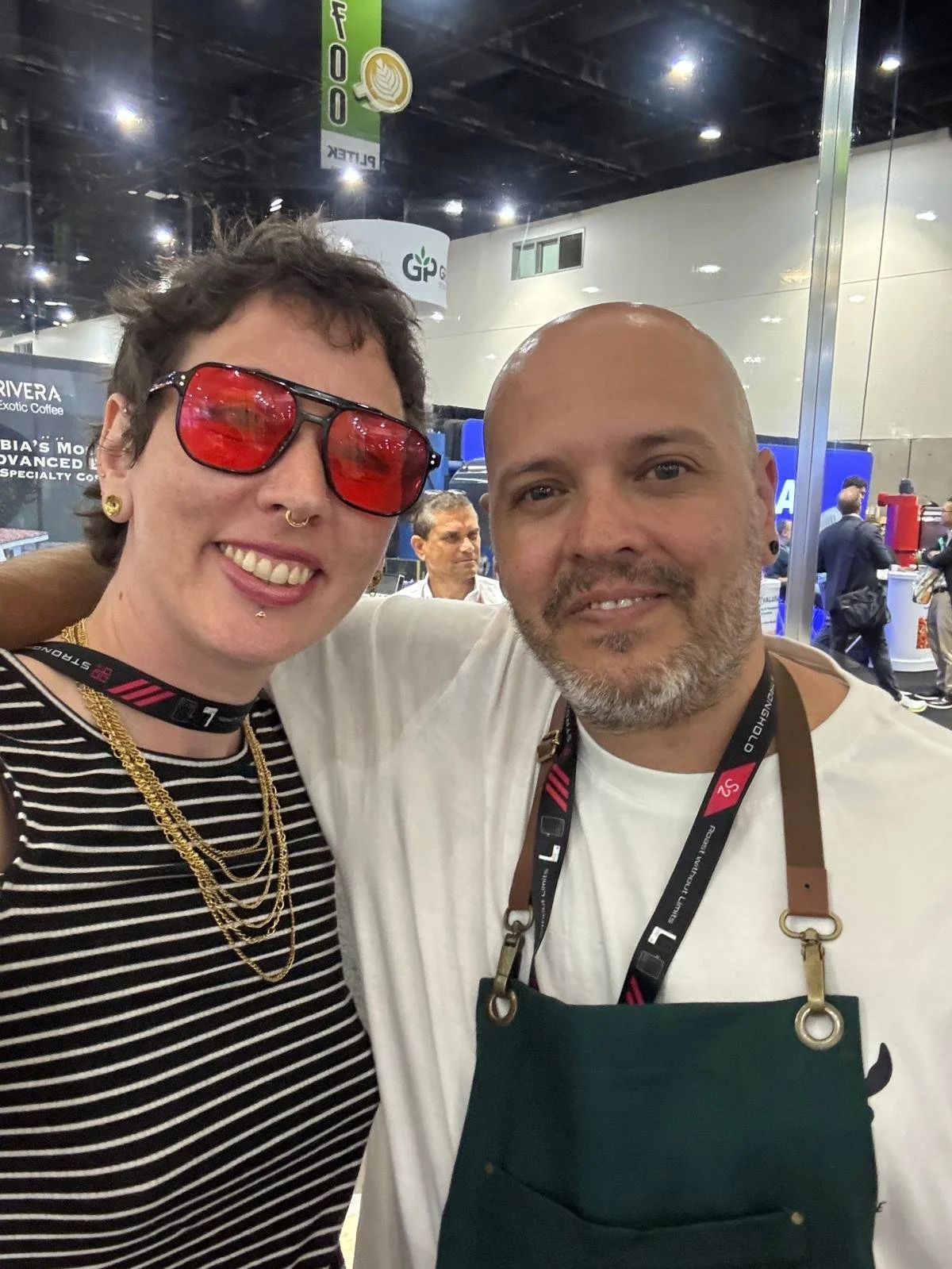
The Coffee Five Project is founded by Juan Medina.
Juan is a long time industry expert providing exquisite Colombian offerings.
Democratic Republic of Congo

Optimist Coffee Traders
Optimist Coffee Traders is founded by Jim Ngokwey.
Previously he founded Mighty Peace Coffee, also sourcing from DRC.
Jim’s activism and drive for positive change is simply unparalleled.
Ethiopia
Swift Coffee Sourcing
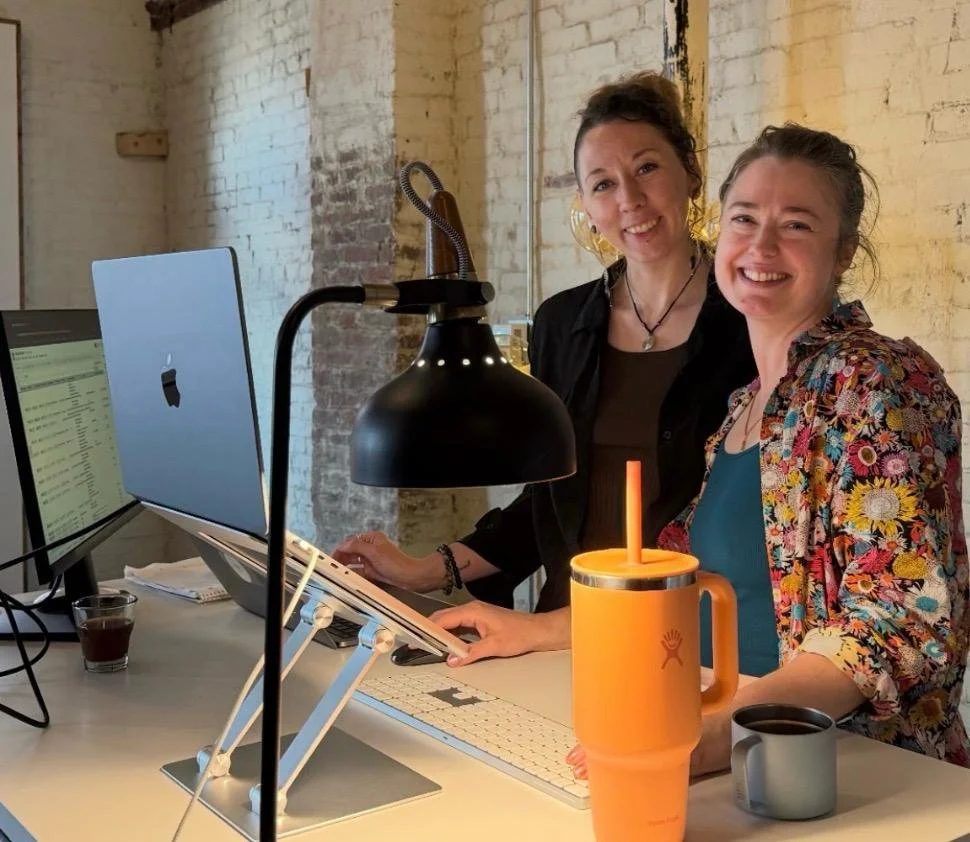
For over a decade she has sourced top-tier Ethiopian coffee with uncompromising integrity and unforgettable excellence.
Swift Coffee Sourcing is founded by Emily McIntyre.
Honduras
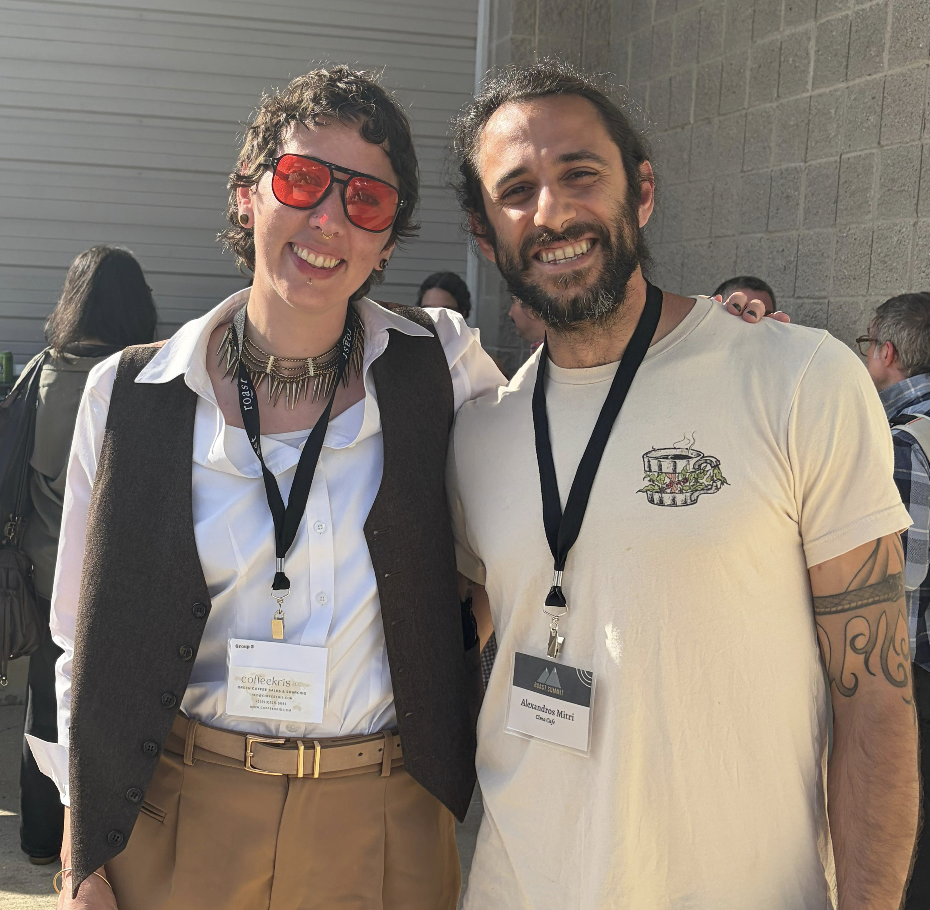
Cima Cafe
Cima Cafe is founded by Andros Mitri, a native of San Pedro Sula, Honduras.
Five04 Coffee is a multi-generational Honduran-owned company.
Both are committed to ethically sourcing high quality coffees, emphasizing sustainability and community support.
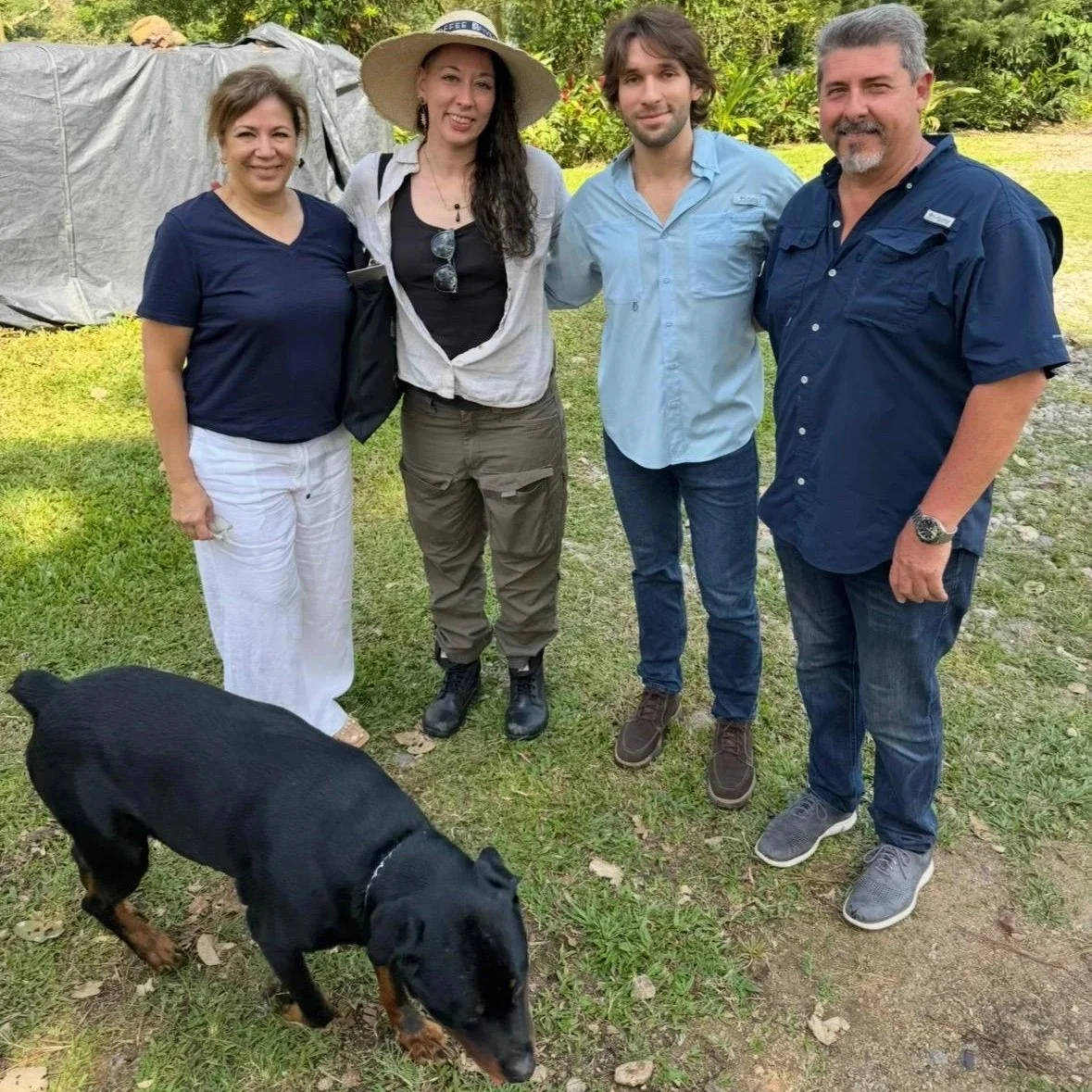
Five04 Coffee
Kenya
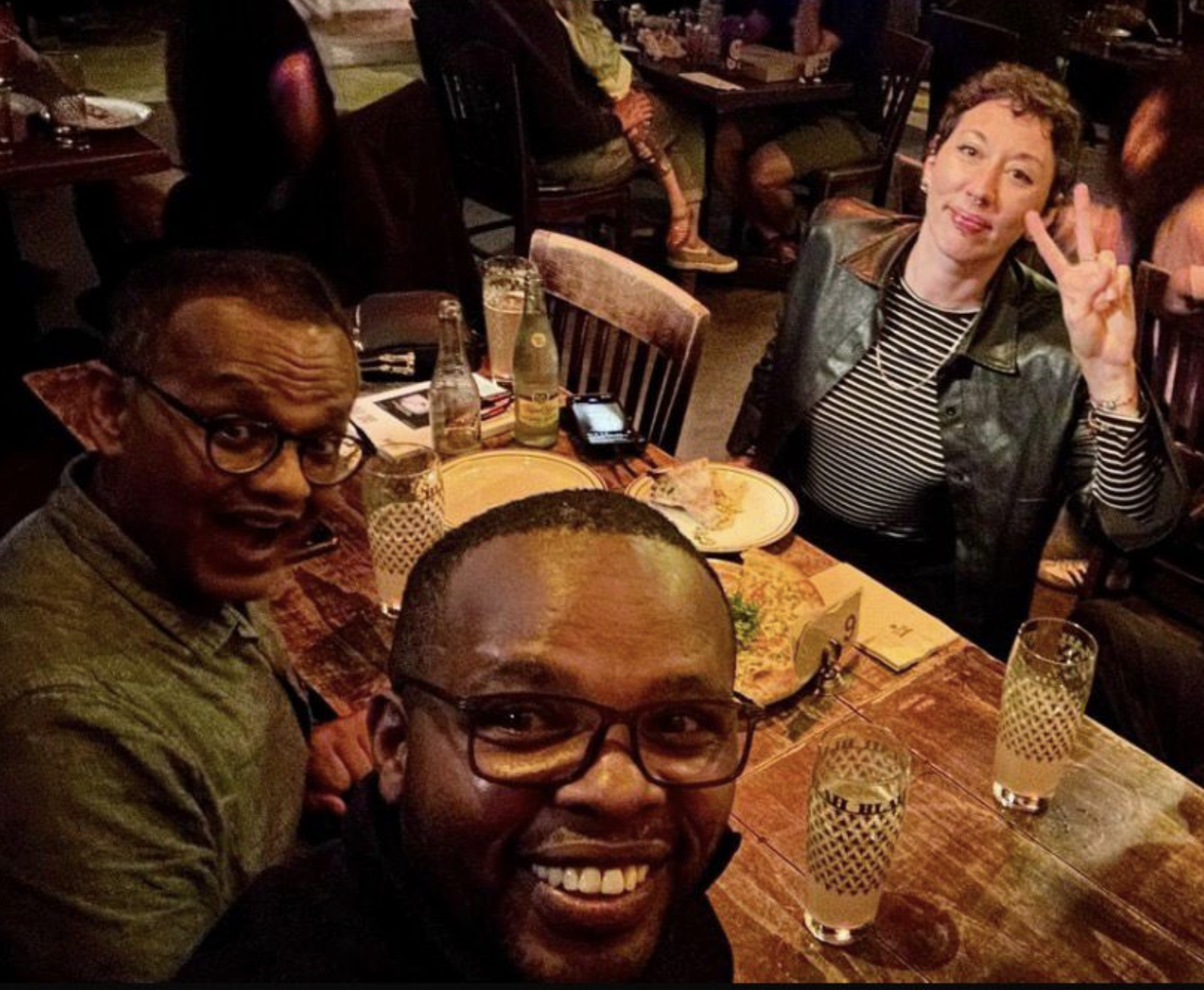
Undugu Farms
Founder and farmer, Charles Kimiti, collaborates directly with other single-estate Kenyan farmers to provide consistent, quality coffee that’s build on long-term relationships.
Mexico

Mayan Harvest Coffee
Mayan Harvest Coffee is founded by Rosalba Cifuentes Tovia.
Working in the Bella Vista region directly with small scale producers,
she also works with a group of women farmers - Cafe de Mujeres.
Papua New Guinea

Benchmark Coffee Traders
Benchmark Coffee Traders is founded by Vikram Patel.
With family ties to Papua New Guinea, he has been an expert for +10 years.
Vikram has supported multiple social impact projects through his work.
Peru
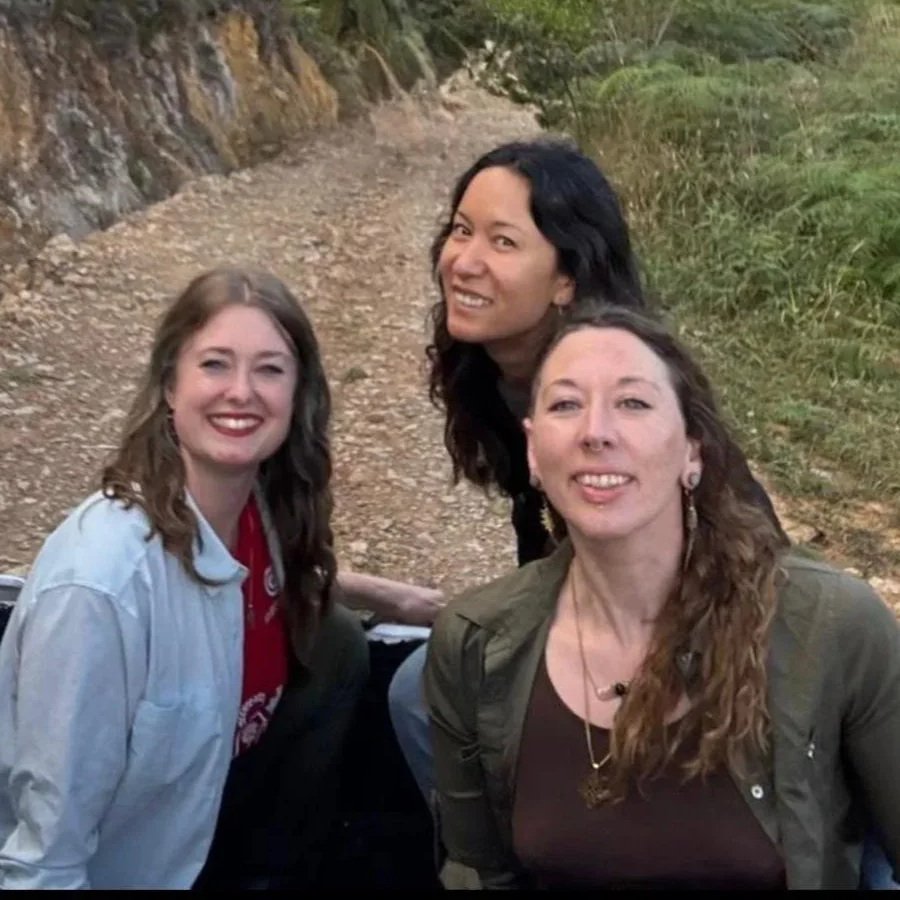
Swift Coffee Sourcing
Swift Coffee Sourcing is founded by Emily McIntyre.
Previously she founded Catalyst Trade, focusing on Ethiopian coffees.
With expertise and excellence, she now also sources coffees from Peru.
Rwanda
JNP Coffee
Founder, Jeanine Niyonzima-Aroian, passionately pursues her dream of helping the coffee farmers of her birthplace, but has also expanded to her Rwandan neighbors.
Every purchase from JNP Coffee supports more inclusive economic development initiatives for farmers in Rwanda.
Looking for something else?
Let’s connect and we can discuss what you’re looking for!
Looking for a green coffee that hasn’t been listed so far?
I am always happy to connect you to specific coffees you need.
Let’s connect and discuss!
Frequently Asked Questions
-
I'm a green coffee curator. I connect roasters with exceptional coffees through a hand-picked portfolio of eleven single-origin, social-impact importers — specifically women- and minority-led companies whose people and practices I know and trust. I'm an authorized representative of every partner, so instead of managing eleven relationships, you get one: someone who knows your needs and knows exactly where to find the coffee that meets them.
-
Through my twelve importing partners, I currently offer coffees from: Burundi, Colombia, DR Congo, Ethiopia, Guatemala, Honduras, Kenya, Mexico, Nicaragua, Peru, Papua New Guinea, and Rwanda.
If there's an origin you don't see here, ask — there's a good chance I know exactly who to call. And if what you need is genuinely outside my network, I'll tell you that too, and point you toward someone who can help.
-
Working with me costs you nothing extra — you pay the same as you would going to my partners directly. They compensate me for connecting roasters to their coffees, because curation and relationships are worth something. If that ever changes, you'll hear it from me before anything moves forward.
-
Transparency, completely. You'll always know exactly who I work with and where every coffee comes from — and you're welcome to contact any of my partners directly. I'm confident in the value of what I curate, so I don't need to guard the door. Think of me as your single point of contact for a network you can see into completely.
-
Absolutely — that's how this works. Once we've talked through what you're looking for, I'll send green samples of the coffees I think fit, sized for a proper cupping. No charge and no strings. If nothing lands, tell me what missed and we'll adjust; finding the right coffee sometimes takes a round or two, and I'd rather get it right than get it fast.
-
Reach out through the contact form or schedule a call. We'll talk about what you're looking for — origin, profile, volume, values — and I'll curate a shortlist of coffees that actually fit, with samples to follow. No pressure and no obligation; the first conversation is just that.
-
Collaborative and straightforward. I listen first, I tell you the truth about what fits and what doesn't — even when that means pointing you somewhere else — and I stay with the relationship long after the contract is signed. Coffee is personal for me, and so are the people I work with.
-
Anytime, via the contact page or info@coffeekris.com. You'll also find me on Linked In, Instagram, Facebook, and YouTube at @coffeekris_llc.
Chronicles
What
the
Mountains
Gave
Back
Teachings
from
Time
in
Taiwan
More
stories
to
come
—
What the Mountains Gave Back
By Kris Carlson | Coffeekris LLC
The Van
The road into the Amazonas region of Peru does not ask permission. It cuts through cloud forest and drops into valleys so green they almost hurt to look at, and the air changes — thicker, older, like something sacred has been breathing here for longer than memory. I was riding in a van with women I trust completely, on the way to meet women I was about to learn from entirely, and a song came through my earbuds that I was not prepared for.
“Where are you, my most sweet mother? Your motherly love do I seek fervently.”
Ten years ago, I lost my mother. The grief of that kind of loss does not follow a timeline — it lives in the body, surfaces in the unexpected. There in the mountains of Peru, something cracked open. I began to cry. And without a word being said, arms wrapped around me. My sisters, present and warm and real. I was not alone. I have never, I realized in that moment, truly been alone.
In Peru, they call her Pachamama — Mother Earth, the divine feminine, the force that holds and nourishes all living things. She is in the soil that produces the coffee. She is in the hands of the women who harvest it. She is in the solidarity of women who sit together and say: I see you. I know. Keep going.
I felt my mother there. Not because Peru replaced her. But because I began to recognize pieces of her in other women.
Looking back, I realize that moment in the van wasn’t really about grief. It was about recognition.
And it set the tone for everything that followed.
The Question
Over the previous year, I had spent a great deal of time asking myself something that became impossible to ignore:
What kind of coffee professional do I want to become?
Difficult experiences have a way of asking that question of all of us. I won’t name names or litigate the past in these pages, but I will say plainly: I spent two years in a professional environment that tested me in ways I hadn’t anticipated. I was told, to my face, that women are more emotional than men — said to me by management while I sat calmly in a chair having just watched a male coworker scream at me without consequence. I was told I couldn’t travel internationally for sourcing because of my gender, despite having done exactly that on my own years prior. I was excluded, dismissed, and ultimately let go.
We can allow that kind of disappointment to harden us until suspicion becomes our default. Or we can let it clarify our values. We can decide, despite everything, that we will become the kind of people we wish we’d encountered ourselves.
Leaving that environment didn’t simply push me toward starting Coffeekris LLC. It pushed me toward building a business rooted in relationships rather than transactions. It pushed me toward choosing, every day, to remain open — even after I’d been given reasons to close myself off.
That decision is what eventually brought me to Peru.
When I was let go, I had already planned a trip to Denver. Valuing the relationships I had built over the last decade, I followed through on those plans. I found myself sitting across from Nicole, an extraordinary woman and green buyer, who listened to my story with knowing eyes. She had her own version of it. So many of us do.
She told me: when you figure out your next move, stay in touch.
I did. And she showed up — not just with kind words, but with committed action. She became Coffeekris LLC’s largest client in my first year, choosing a long-term partnership built on trust. That is what real solidarity looks like. Not performing support from a distance, but showing up with genuine curiosity and respect — willing to learn from the other person as much as to stand beside them. Solidarity, I have come to believe, is not a posture. It is a practice of paying attention.
While building my business and reaching out to people I had known and respected for years, I reconnected with Emily McIntyre. She had just moved to Kansas City and was building her own company. We met for coffee, swapped stories, and quickly understood that we could go further together than apart. Next came Nikole — a woman who has run one of the oldest roasteries in Kansas City and one of the only queer-owned roasteries. She had bought from me before, not because of any company, she made clear, but specifically because she believed in me. I found people who respected me in return.
Four women. Four independent businesses. One shared conviction: that coffee sourcing done with integrity, with real relationships at the center, could look different than it always has.
So we went to Peru together.
Meeting PAWQARA
Our primary partner in Peru is Cati — a leader in the Peruvian coffee world who moves through her work with the kind of groundedness that comes from genuine connection to the land. Cati feels a special bond with her farm, not as a transaction or an asset, but as a relationship. She and Pachamama are not strangers. You can feel it when she speaks about the soil, the altitude, the care that goes into every step from seed to export.
Through Cati, we work with the PAWQARA group — a collective of women producers whose name translates to resilient women. The word could not be more apt.
Our first gathering with PAWQARA set the tone for everything that followed. We sat together in a circle — women from Peru, women from the US — and we listened to one another.
One by one, the PAWQARA women described what the collective meant to them. They spoke about improving quality, earning more for their coffee, creating opportunities for their daughters, and becoming visible in an industry that had often overlooked them.
Then they spoke about something painfully familiar: what it feels like to be underestimated because you are a woman. The details were different from my own experience. The feeling wasn’t.
Even with a language barrier, you can sense the same human spirit. Across every difference of geography and language and livelihood, we were sitting inside the same story.
I have spent more than a decade in coffee, cupped thousands of lots, written more tasting notes than I can count, and negotiated contracts on multiple continents. None of that prepared me for what it felt like to sit in that circle and understand, without needing translation, that we already knew each other.
And yet these women were not defined by what had been done to them. They were defined by what they had built — together. That distinction matters. PAWQARA is not a story about surviving adversity. It is a story about what becomes possible when women decide to stop waiting for permission and start building.
What I Saw in These Women
I want to tell you about the people, because this is ultimately a story about people.
Cati stood at the edge of the farm in the early morning, speaking about the land the way you speak about someone you love. Her voice would change when talking about quality — not as a market strategy, but as a form of self-respect.
The PAWQARA women received us with generosity that felt earnest rather than performed. The warmth preceded language and the laughter needed no translation.
Nikole has spent years building something remarkable in Kansas City, and yet described feeling like an outsider in the KC coffee scene. But in that circle in Peru, surrounded by women who had also been on the outside of something, she found her people. She felt, perhaps for the first time in this industry, fully seen. Not tolerated or mildly included. Seen.
Emily cried in Cati's arms over the cupping lab they built together — a lab she'd made personal sacrifices to make happen. She had navigated her own hard road to get to that van and to build her company through sheer will and integrity. The coffees she’d sourced from a distance suddenly in her hands. The PAWQARA women laughing nearby while we tasted the coffees they’d grown. Peru reached inside her in ways she never anticipated. Nicole, the woman whose belief in me helped make this business possible, described the experience this way: “The women-focused sourcing trip through Peru was one of the most meaningful experiences of my career. What began as a group of strangers quickly became a community built on vulnerability, shared challenges, and a deep appreciation for the people who steward that land. Traveling to remote producer communities and witnessing the incredible work being done, especially by the women of PAWQARA, whose new coffee lab stands as a testament to the power of long-term partnership, renewed my passion for this industry in ways I never expected. I left Peru with a full heart, genuine friendships, and a deeper connection to the land, the producers, and the purpose behind my work. It’s an experience I’ll carry with me for the rest of my career.”
We arrived as four women who respected each other. We came home as sisters, carrying connections none of us had anticipated and all of us intend to keep.
What Cati Taught Me About Leadership
Before Peru, I think I unconsciously believed there were only two options for leadership in this industry. You could make yourself small — agreeable, deferential, careful never to take up too much space. Or you could become loud enough that no one could ignore you, which requires its own kind of sacrifice.
Cati showed me a third possibility.
She leads with remarkable gentleness, holds firm boundaries, is generous without being a martyr, and is clear without being cold. Watching her, I kept thinking: this is what it looks like when someone has stopped performing leadership and simply become it.
Generosity and self-respect are not opposites. Women are too often asked to choose between them.
We are praised for disappearing into service and told that softness is weakness and that strength requires hardness. Cati is a refutation of all of that. She moves through her work with a kind of wholeness that I recognized immediately and am still working to understand fully.
There is something that happens when you remove a dominating presence from a space. It sounds like more listening and it feels more open. The conversations our group had — in the van, at the farms, over meals — were collaborative in the truest sense. No one was performing expertise or managing an impression. Ideas came faster and decisions felt cleaner.
I want to be careful here, because I mean this precisely: this is not a critique of men, full stop. Emily’s husband was with us. Cati’s husband was with us. Our driver was a man. They were present, supportive, and genuinely allied. True male allies exist, and they matter enormously. What I am describing is the specific texture of a space where no one is trying to assert dominance — where that energy is simply absent. It changes things in ways that are difficult to quantify and impossible to miss.
Healthy leadership requires both compassion and boundaries. It asks us to remain open without surrendering ourselves and to keep showing up for people even after we’ve been given reasons not to. That is not weakness. It is, I have come to believe, one of the hardest and most necessary forms of courage.
Coffee Tastes Different When You Know the People
I have cupped thousands of coffees. I have the knowledge, the years, the vocabulary. But I want to tell you something no Q-grader certification captures:
Coffee tastes different when you have stood on the land it came from. When you have looked into the face of the woman who picked it and understood, in her own words, what it cost her and what it meant to her.
Sitting in the cupping room, watching Cati’s face as she moved through the flight — I realized something. Coffee is another language. And like all languages, it carries more meaning when you understand where it comes from.
We were remarkably calibrated in the cup. But what mattered wasn’t that we agreed on the notes. It was that we had first taken the time to understand one another. The calibration was a product of the relationship, not the other way around.
The PAWQARA coffees are exceptional. Florals that linger, a sweetness that builds slowly, a clarity that comes from altitude and care and an unbroken connection of intention to action from the farm to the bag. I can tell you the elevation and the variety and the processing method. But what I want you to know is this — every cup carries multitudes: Cati’s hands, the collective’s labor and resilience, the Amazonas soil, and Pachamama herself.
I am honored to play my part in the global community, and I hold that honor with humility, respect, and gratitude. How I do business matters as much as what business I do. That means working with producers who deserve a true partner. It means working with roasters and buyers who want to understand what they’re serving and why it matters. It means building something that lasts because it is grounded in something real.
Supporting women-owned businesses and their allies is not charity. It is how we actually build an industry that works for everyone. Every dollar, every contract, every sourcing relationship is tangible action toward the kind of coffee world we want to exist in. Knowing this guides every decision I make.
Why I’m Going Back
The most meaningful work is built through relationships we choose to keep nurturing — even after we’ve been given reasons to close ourselves off.
That is the thread I keep returning to. It runs through my mother’s loss and what it taught me about love. Through leaving a difficult workplace and choosing to build rather than withdraw. Through Nicole having her life changed, Nikole feeling included, Emily crying in a cupping room, Cati leading with her whole self, the PAWQARA women building something extraordinary inside a system that was not built for them.
The coffee is the expression, the relationship is the point.
This September, I am returning to Peru. I am bringing another small group of coffee professionals — buyers, roasters, people who want to experience sourcing the way I believe it should be done: in person, in relationship, with full transparency about where the coffee comes from and who grows it.
I’m not trying to recreate last year. Every group writes its own story. I don’t know what the mountains will give you. Maybe they’ll challenge you, surprise you, deepen your understanding of coffee in ways you can’t anticipate, or simply give you a few extraordinary days with remarkable women.
Those of you who have already traveled for coffee, have visited farms, cupped at origin, and built your own sourcing relationships might wonder what a trip like this could offer you. Gently I’d suggest that the question itself is worth examining. The most experienced travelers I know don't just arrive in new places — they see places they've been before with new eyes. Peru will not give you what you came looking for. It will give you something better: what you didn't know you needed.
What I do know: you will come home understanding coffee differently. Not because you’ll remember every tasting note. But because you’ll know the people whose hands brought that coffee into the world. That knowledge changes the way you work, the way you buy, and the way you talk about what’s in the cup.
Spots are limited. This is intentional as we are building something real, and real things require care and space. To join a sourcing trip, reach out to me. This trip is an extension of a relationship, not a starting point for one. We can begin our collaboration now and celebrate in Peru this September.
If you’re a roaster or buyer who wants to source exceptional Peruvian coffee and hold the relationship yourself — not just the bag — let’s talk. If September is too soon, we are already planning for next year, and I would love for you to be part of it.
The work I do is built on relationships tended over more than a decade, with people I trust and who trust me. That is not a marketing line. It is the reason I started Coffeekris LLC, the reason I went to Peru, and the reason I am going back.
Pachamama is waiting. The PAWQARA women are waiting.
And the coffee — I promise you — is worth the trip.